



Key Takeaways
- Small businesses can choose from four main office space options: traditional rentals, co-working spaces, home offices, and buying their own HQ.
- Each option has trade-offs between cost, flexibility, privacy, and growth potential.
- Consider budget, employee count, and long-term business plans before committing.
- Co-working and remote work are growing in popularity, but traditional leases and ownership still offer stability.
- The right office choice sets the foundation for sustainable growth.
Young businesses eager to carve off a piece of the profit cake for themselves are often faced with a pressing dilemma when it comes to the choice of adequate office space. The commercial real estate market has changed considerably over the past decade, fueled by a shift in the demand landscape, and one of the novelties recent market developments brought to the table is the growth of the co-working industry.
Right now, up-and-coming companies have a host of workplace options they can choose from based on their corporate needs, number of employees, and available budget. This can make figuring out how to find office space for small businesses a daunting task.
If you’re uncertain which of the many options provides the best backdrop for your company’s growth, you may want to take a closer look at the popular office picks and their perks and downsides.
1. Traditional Office Rental
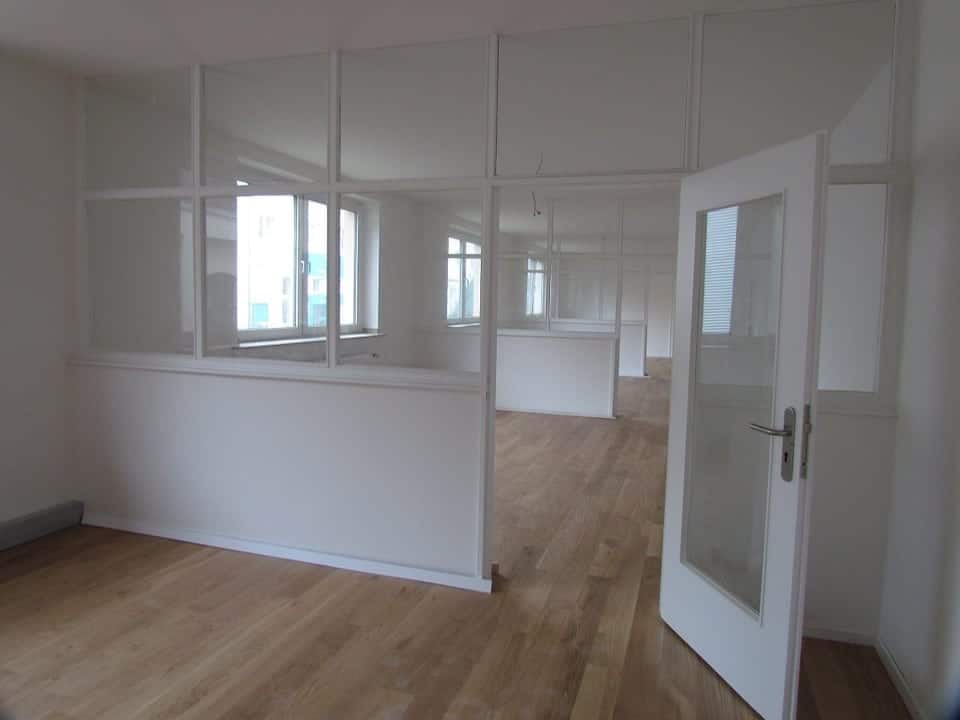
The temporary office lease has been a golden norm for most private enterprises for decades now, and it’s still going strong even with the emergence of the shared workspace concept.
Compared to office suites in co-working environments, the standard office rental provides greater privacy, room for workplace design customization, and potentially even a better location. Still, the private office gains may come at a steep price: from down payments and furniture costs to monthly rental fees and maintenance/utility expenses.
A standalone workplace can be a pretty expensive place for a company to be, especially for startups struggling to set their bottom line on the right and sustainable track.
But if you can afford it and you’re an established (or establishing) company, this is clearly the way to go. Even with all the technology available, nothing beats collaborative, face-to-face interaction.
Highlights:
- Privacy: A dedicated space for your team and clients.
- Customization: Control over layout, branding, and design.
- Prestige: Often located in central business districts.
How to Find Office Space for Rent/Lease
Start by figuring out how much space you need, what kind of layout works best, and which amenities are must-haves.
Then, explore listings through brokers, online platforms, and local networks, and visit spaces in person to get a true sense of light, noise, and flow. Pay close attention to lease terms, including rent, maintenance, and flexibility for growth. Taking the time to match your needs with the right space will set your business up for productivity and long-term success.
2. Co-Working Environments

Judging by the rapid growth in popularity among young start-ups, co-working workspaces may soon compete with the private office lease.
For a daily, weekly, or monthly fee, startups get access to professional-looking workstations or private office suites, business-grade Wi-Fi, various high-tech features, kitchens, lounges, break rooms, and other cool amenities necessary for uninterrupted daily workflow.
Some co-working environments also offer boardroom bookings on demand, as well as greater flexibility in terms of membership duration.
Still, if your company is looking to cut long-term running costs and doesn’t need the networking possibilities that go hand in hand with a shared workplace, a private or home office is a better option.
This option is especially attractive if you’re still exploring where to find office space for rent/lease that won’t lock you into a long contract.
Highlights:
- Flexible membership terms (daily, monthly, or annual).
- Amenities like Wi-Fi, conference rooms, kitchens, and lounges.
- Built-in networking opportunities with other professionals.
3. The Home Office Option

Office leases and seats in a co-working environment can be a tad too costly from the standpoint of a young company with just a few employees.
Fortunately for small businesses looking to write their name across the corporate sky, the growth of online collaboration possibilities has created room for HQ rental savings. Today, young entrepreneurs can complete almost all work-related tasks without even leaving their living room, and the workplace shift from the real-life to virtual plane has triggered growth in the home office design sector.
Decking out an at-home workplace with ergonomic furniture and first-rate tech does require a sizable chunk of initial capital, but the long-term costs of a home-bound workspace are usually much lower compared to the classic office lease and co-working membership fees.
Highlights:
- Low overhead compared to leasing or memberships.
- Convenience for owners and employees.
- Scalability as the company grows online before moving into physical.
4. Your Own Corporate HQ
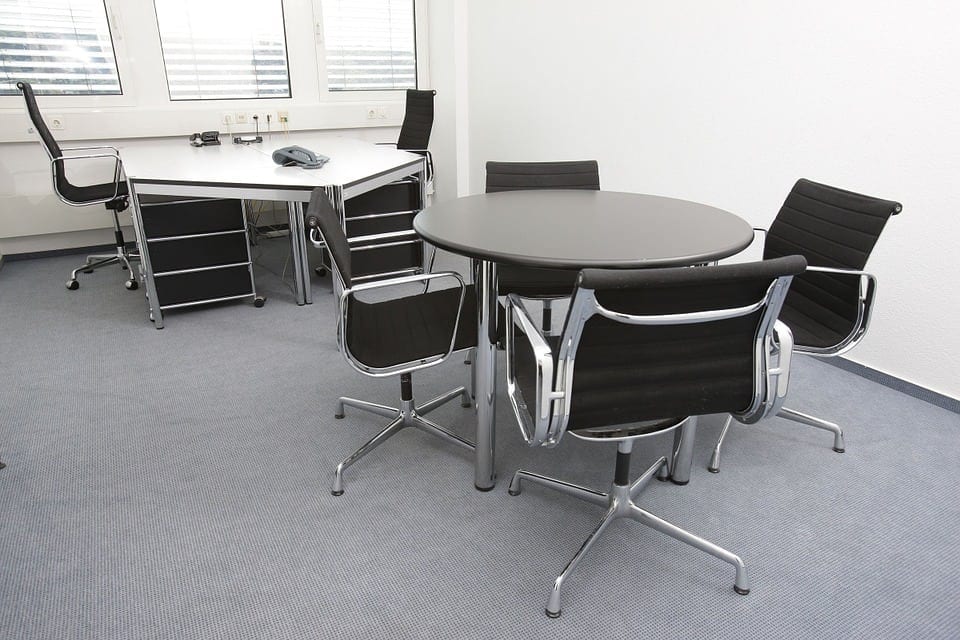
Last but not least, up-and-coming companies have the option to buy their own office space and solve the HQ puzzle for good. The commercial real estate purchase is the most expensive of the options available to young businesses, and it requires serious budget planning and favorable bank ratings, but it does have its plus sides.
By slapping your brand name on the property, your business will get all the privacy, design flexibility, and on-demand access it needs, and it’ll also give your company an edge when it comes to long-term credit ratings. And if your firm decides to relocate daily workflow to a new office, you can lease the workspace listed in your company’s name and secure a steady stream of monthly income to cover a part of the ongoing business costs.
Experts from Easy Path suggest that you make sure your future property is in solid shape and doesn’t suffer from any hidden hardware issues or pest infestations before you dash off to sign a purchase.
Highlights:
- Asset ownership and potential long-term appreciation.
- Complete control over design and branding.
- Extra income if part of the space is leased out.

A Quick Comparison of Different Office Space Options
|
Office Option |
Cost |
Flexibility |
Privacy |
Amenities / Highlights |
Best For |
|
Traditional Office Rental |
High upfront costs (down payments, furniture, monthly rent, utilities) |
Moderate; lease terms may be fixed |
High, dedicated space for your team and clients |
Customizable layout and branding; prestige locations |
Established startups or businesses that value face-to-face collaboration and privacy |
|
Co-Working Environments |
Moderate; daily, weekly, or monthly fees |
High, flexible membership duration |
Medium; shared spaces with options for private suites |
Wi-Fi, conference rooms, kitchens, lounges, and networking opportunities |
Startups looking for short-term flexibility, community, and amenities without long-term commitments |
|
Home Office |
Low upfront and ongoing costs |
High; fully self-managed |
High (depending on home environment) |
Ergonomic furniture, tech setup, and convenience |
Small teams or solo entrepreneurs minimizing overhead and leveraging remote work |
|
Own Corporate HQ |
Very high; property purchase, maintenance, taxes |
Low to moderate; permanent location, but can lease out part |
Very high; full control over space |
Full customization, branding, potential rental income, and long-term asset appreciation |
Growing businesses ready to invest in stability, control, and long-term growth |
Next Steps: Find Office Space with Confidence
Setting the business wheels in motion is a touch-and-go endeavor, and young companies need to plan the launch and the first few months of operation with due care to avoid losing more cash to office rental fees and running costs than they can afford.
When picking the workplace to call your own, go over the available budget, workflow needs, and long-term costs of different office options. After all, your corporate HQ should be conducive to sustainable business growth, not a one-off profit peak followed by revenue stagnation or drop.
Thanks to Chloe Taylor from SmoothDecorator.com, you’ll better understand your position as a growing company ready to make that next move toward finding your first office space.
Now let the office furniture experts at Arnold’s help you make things easy! Contact Arnold’s Office Furniture today for a free quote on your systems furniture design and even a complimentary layout hosted by our expert CAD designers.
We look forward to helping you find the right office space for small business success.
Written by:
Alissa Ettorre
