



In today’s desk-bound world, the chair you choose can significantly influence, not only your comfort but also your overall well-being and productivity. Among the various options available, two stand out for their commitment to improved seating comfort and health benefits: ergonomic chairs and lumbar chairs.
No more guesswork when it comes to your comfort — it’s time to answer the age-old question, “What’s the difference between ergonomic chairs and lumbar support chairs?”.
Take a seat, and let’s get started.
Breaking Down Ergonomic Chairs

When it comes to office furniture, the ergonomic office chair has become a staple. Crafted with the utmost consideration for user comfort, ergonomic chairs are a cornerstone of supportive seating, especially in settings where prolonged sitting is the norm, such as offices.
These chairs boast features that set them apart from lumbar support chairs:
Adjustable Features
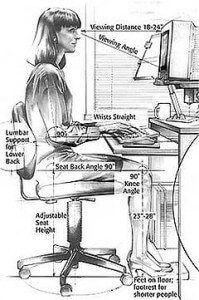
At the heart of ergonomic chairs lies their exceptional adjustability. With customizable options like adjustable seat height, armrests, backrest angle, and lumbar support, users can tailor the chair to their unique needs. This adaptability ensures a personalized and comfortable seating experience.
Lumbar Support
Comprehensive lumbar support is a hallmark of ergonomic chairs. Given the susceptibility of the lumbar region to strain during extended periods of sitting, these chairs prioritize maintaining the natural curve of the lower back. By doing so, ergonomic chairs effectively reduce the risk of lower back pain and discomfort.
High-Quality Materials
Renowned for their use of premium materials, ergonomic chairs often feature padded seats, breathable fabric or mesh, and robust construction. This commitment to quality not only enhances the chair’s durability but also contributes to an overall comfortable experience, making it a preferred choice for professionals with desk-centric workdays.
Tilt Mechanisms
Many ergonomic chairs are equipped with tilt mechanisms that allow users to recline slightly, promoting dynamic sitting. This feature encourages movement and weight shifting, alleviating pressure on the spine and fostering improved circulation — an invaluable asset for those spending prolonged hours at a desk.
Swivel Base
A defining feature of ergonomic chairs is their swivel base, enabling users to effortlessly rotate in their seats. This functionality facilitates easy access to different areas of the workspace without straining the neck or back. In office environments, this swivel capability proves particularly advantageous during collaborative-heavy projects.
Understanding Lumbar Support Chairs

Lumbar chairs stand out for their specialized design aimed at addressing lower back issues. While sharing some commonalities with ergonomic chairs, the key distinction lies in their focused approach to back pain relief.
Here are the distinctive features that differentiate lumbar support chairs from ergonomic chairs:
Targeted Lumbar Support
The hallmark of lumbar chairs is their focus on lumbar support. Often incorporating extra padding and adjustable lumbar mechanisms, these chairs prioritize support and cushioning for the lower back.
This makes them particularly beneficial for individuals dealing with chronic lower back pain or discomfort.
Limited Adjustability
In contrast to ergonomic chairs, lumbar chairs typically offer more restrained adjustability. While basic features like seat height adjustment may be present, they lack the extensive customization options synonymous with ergonomic chairs.
This isn’t to make your chair experience less exciting, it just offers more stability for your back.
Specialized Design
Lumbar chairs are purposefully crafted with a singular objective: alleviating back pain and preventing discomfort. Their design often features a high backrest, providing additional support to the upper back and shoulders alongside dedicated lumbar support.
Reduced Swivel and Tilt
Distinct from ergonomic counterparts, lumbar chairs typically present limited swivel and tilt options. This intentional design choice aims to maintain a fixed, supportive posture, preventing excessive reclining that could compromise the lumbar support provided.
Ergonomic vs Lumbar Support: Key Differences

Now that we’ve delved into the features of ergonomic and lumbar chairs, let’s draw a side-by-side comparison of these two chair types, focusing on key factors that matter for your decision.
- The Target Audience: Ergonomic chairs are crafted for a diverse audience, catering to professionals, students, and anyone spending extended hours at a desk. They prioritize overall comfort and support, making them versatile for various users. On the flip side, lumbar chairs specialize in addressing lower back issues, proving ideal for individuals in need of specific lumbar support.
- Adjustability: Ergonomic chairs take the lead in adjustability, offering a broad range of customizable features. This allows users to tailor the chair to their unique needs and preferences. Lumbar chairs, while adjustable to some extent, primarily focus on lumbar support and may provide fewer customization options.
- Design: Ergonomic chairs boast diverse designs, ranging from sleek and modern to more traditional styles. They often strike a balance between aesthetics and functionality. Lumbar chairs, with a specialized focus on targeted back support, may lean towards a more ergonomic but less versatile appearance.
- Lumbar Support: While both chair types offer lumbar support, lumbar chairs excel in this aspect due to their specific design. If you suffer from chronic lower back pain or discomfort, a lumbar chair may be the preferred choice. Ergonomic chairs also provide solid lumbar support but might not be as effective in addressing specific back issues.
- Mobility: Ergonomic chairs take the lead in mobility, featuring swivel bases and tilt mechanisms that suit dynamic work environments. Lumbar chairs, prioritizing a fixed, supportive posture, may limit swivel and tilt options, making them less ideal for individuals who need to move around frequently while seated.
What Should You Choose Between Ergonomic vs Lumbar Support?
When deciding on the perfect chair, various factors come into play, such as personal preferences, budget constraints, and specific health concerns. Let’s break down the considerations to guide you through this decision-making process.
Get An Ergonomic Chair If…
Your work demands long hours and you’re seeking overall comfort and support, an ergonomic chair is an excellent choice. These chairs shine in terms of adjustability, allowing you to customize your seating experience.
Perfect for dynamic office environments, ergonomic chairs provide the mobility and versatility you need. Moreover, they come in a wide array of designs, ensuring there’s a style to match your workspace.
Get A Lumbar Support Chair For…
For those grappling with chronic lower back pain or specific back issues; a lumbar chair is tailor-made to address these concerns. These chairs prioritize lumbar support over overall body comfort and boast a specialized, health-focused design that emphasizes back support and spinal health.
Unmatched Comfort For Your Office
Arnold’s Office Furniture is here to make your office comfortable and efficient. With our affordable ergonomic chairs, we’re dedicated to improving your workspace.
Connect with us today to enhance your office experience and boost productivity. Let’s create a workplace that works for you.